Keeping a home organized and clutter-free can feel daunting, but breaking the process down on a room-by-room basis makes it both manageable and rewarding. By following this structured approach, you’ll ensure that each space in your home receives the attention it needs. Below is an in-depth guide to help you declutter, clean, and reorganize every room for a neater, more efficient living environment.
1. Entryway & Hallways
Why Focus Here First?
The entryway is the first impression guests have of your home. Hallways, likewise, see a lot of foot traffic and can easily become clutter magnets.
Decluttering
Coat & Shoe Storage: Remove seasonal items you’re not currently using (e.g., heavy winter coats in summertime) and store them elsewhere. Keep only daily essentials in the entry closet or rack.
Keys & Miscellaneous Items: Create a designated spot (like a small tray or hook) for keys, mail, and other grab-and-go items.
Cleaning
Floors: Sweep or vacuum high-traffic areas daily, and mop or deep-clean weekly if it’s a hard surface floor.
Walls & Light Switches: Wipe down regularly to remove fingerprints and scuff marks.
Organizing Tips
Hooks & Racks: Install extra hooks for coats, bags, and dog leashes.
Shoe Bench or Cubbies: Keep footwear neatly stored in a bench with built-in storage or simple cubbyholes.
2. Living Room
Why It Matters
The living room is typically a family’s main gathering spot. It’s also the area most visitors see, so maintaining tidiness here makes your home more welcoming.
Decluttering
Surfaces: Clear coffee tables, side tables, and entertainment centers of non-essentials. Sort items into keep, relocate, or discard.
Electronics & Cables: Bundle cables using cable ties or cord organizers to reduce the visual mess.
Magazines & Books: Retain only current reads or essential reference materials. Recycle or donate the rest.
Cleaning
Upholstery & Cushions: Vacuum sofas and chairs, rotating or fluffing cushions to maintain shape. Spot-clean stains promptly.
Rugs & Carpets: Regularly vacuum or steam clean. If possible, shake out smaller rugs outside to remove trapped dirt.
Dusting: Use a microfiber cloth to dust from top to bottom—light fixtures, shelves, and decorative items.
Organizing Tips
Storage Solutions: Invest in furniture that doubles as storage, like ottomans with hidden compartments.
Baskets & Bins: Keep remotes, throw blankets, and children’s toys organized in attractive baskets for quick clean-up.
3. Kitchen
Why It’s Important
A cluttered kitchen can impede meal preparation and make cleaning more time-consuming. Keeping it tidy helps you maintain hygienic cooking conditions.
Decluttering
Pantry & Cabinets: Discard expired food items. Group similar products (baking essentials, canned goods, spices) to streamline cooking.
Countertops: Limit items on the counters to daily-use appliances like coffee makers or toasters. Store everything else in cabinets.
Cleaning
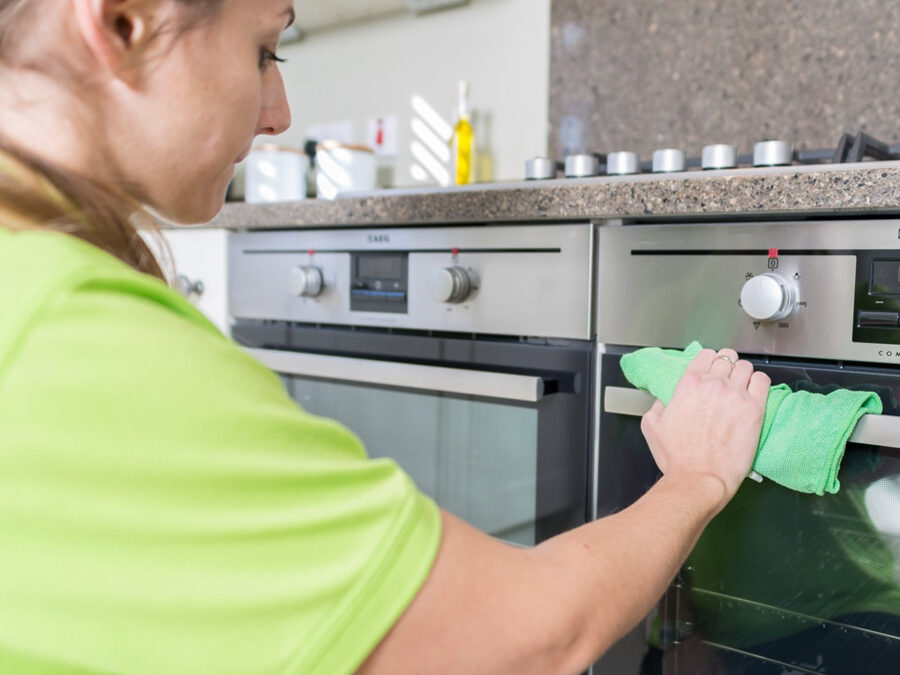
Appliances: Wipe down the exterior of the fridge, oven, and microwave. Clean the interior of the microwave weekly to remove food splatters.
Sink & Faucets: Disinfect sinks daily. Pay special attention to the sink drain and faucet handles, as they’re high-touch areas.
Floor & Backsplash: Mop kitchen floors regularly, especially near cooking and dishwashing stations. Wipe down tile grout or other backsplash materials weekly.
Organizing Tips
Vertical Storage: Install hooks or shelves on walls for pots, pans, and utensils.
Cabinet & Drawer Dividers: Use dividers to categorize utensils, cutlery, and small gadgets.
Labeling: Labeling pantry jars and containers helps prevent confusion and keeps everything neat.
4. Bedrooms
Why It Matters
Bedrooms are personal sanctuaries that should foster relaxation. Clutter in this space can interfere with both sleep quality and mental well-being.
Decluttering
Closet: Sort clothes by season, donating or discarding items you no longer wear or need.
Nightstands: Keep only nighttime essentials—like reading materials or a lamp—on these surfaces.
Under-Bed Storage: Resist using this space as a dumping ground. Only store neatly contained, seldom-used items beneath the bed.
Cleaning
Linens & Bedding: Change sheets weekly to keep allergens at bay. Vacuum or sweep under furniture to remove dust bunnies.
Floors & Rugs: Vacuum carpets and area rugs. If you have hardwood, sweep and mop to prevent dust and dirt buildup.
Light Fixtures: Dust or wash lampshades and wipe bulbs for better illumination.
Organizing Tips
Drawer Dividers: Use them to separate socks, undergarments, or T-shirts.
Dual-Purpose Furniture: Opt for a storage bench or ottoman at the foot of the bed. It can hold spare blankets and pillows.
Clothing Rotation: Keep off-season apparel in vacuum-sealed bags or storage bins to maximize closet space.
5. Bathrooms
Why They Need Special Attention
Bathrooms can quickly become unhygienic due to moisture and regular use. Decluttering and frequent cleaning help maintain a sanitary environment.
Decluttering
Expired Toiletries: Dispose of outdated makeup, skincare, and medicines.
Countertop: Keep the sink area clear by stashing everyday items like toothbrushes and skincare in a cabinet or caddy.
Cleaning
Showers & Bathtubs: Scrub weekly with appropriate cleaning products. Replace shower liners or curtains when they show signs of mold.
Toilet & Sink: Disinfect surfaces, including handles. Clean mirrors with a streak-free spray or microfiber cloth.
Grout & Tiles: Use a specialized grout brush and cleaner to remove soap scum or mildew.
Organizing Tips
Cabinet Baskets: Store extra toiletries, cleaning supplies, or towels in small baskets under the sink.
Wall-Mounted Shelves: Make use of vertical space for additional storage of towels and other bathroom essentials.
Shower Caddies: Keep shampoos, conditioners, and body washes sorted and accessible.
6. Home Office
Why It Matters
A tidy workspace can boost productivity and reduce stress, essential if you spend hours working from home.
Decluttering
Paper Management: Sort documents into shred, file, or act-on piles. Store what you need, shred what you don’t.
Desk Essentials: Keep only items used daily on the desktop, storing extras in drawers or cabinets.
Cleaning
Electronics: Dust computers, monitors, and printers. Use compressed air to clear keyboards of debris.
Floor & Furniture: Vacuum or mop to remove stray paper bits and dust. Wipe down desk surfaces regularly.
Organizing Tips
Filing System: Digitalize as many documents as possible, reducing paper clutter. Label physical files clearly.
Cable Management: Use cable ties or clips to keep cords tangle-free.
Dedicated Storage: Use shelving units or drawers for office supplies, preventing them from overtaking your workspace.
7. Bonus Spaces (Lofts, Basements, Garages)
Why They’re Often Overlooked
These areas frequently become dumping grounds for seasonal items, old furniture, and unused appliances, making them prime spots for a more extensive declutter.
Decluttering
Seasonal Items: Group holiday decorations, sports gear, and camping equipment in labeled boxes for easy identification.
Electronics & Appliances: Recycle or donate items that no longer work or that you no longer use.
Cleaning
Sweep or Vacuum Floors: Remove cobwebs, dust, and dirt. If it’s a concrete floor, a mop and mild detergent can help remove stains.
Check for Moisture: Monitor for leaks, damp patches, or signs of mold, especially in basements and garages.
Organizing Tips
Shelving Units: Install sturdy shelves to keep items off the floor and neatly grouped.
Clear Containers: Transparent storage bins let you quickly see what’s inside.
Regular Purges: Schedule a semi-annual check to remove items you haven’t used since your last cleanout.
Final Thoughts
A room-by-room declutter and clean not only transforms your home’s appearance but also significantly reduces stress and daily housekeeping struggles. By dedicating time to each space, adopting strategic storage solutions, and maintaining regular cleaning habits, you’ll create a home that feels more open, functional, and comforting. Remember: consistency is key. Incorporate small daily routines—like tidying up surfaces or returning items to their proper place—to keep clutter from accumulating and ensure your home stays in tip-top shape for the long run.