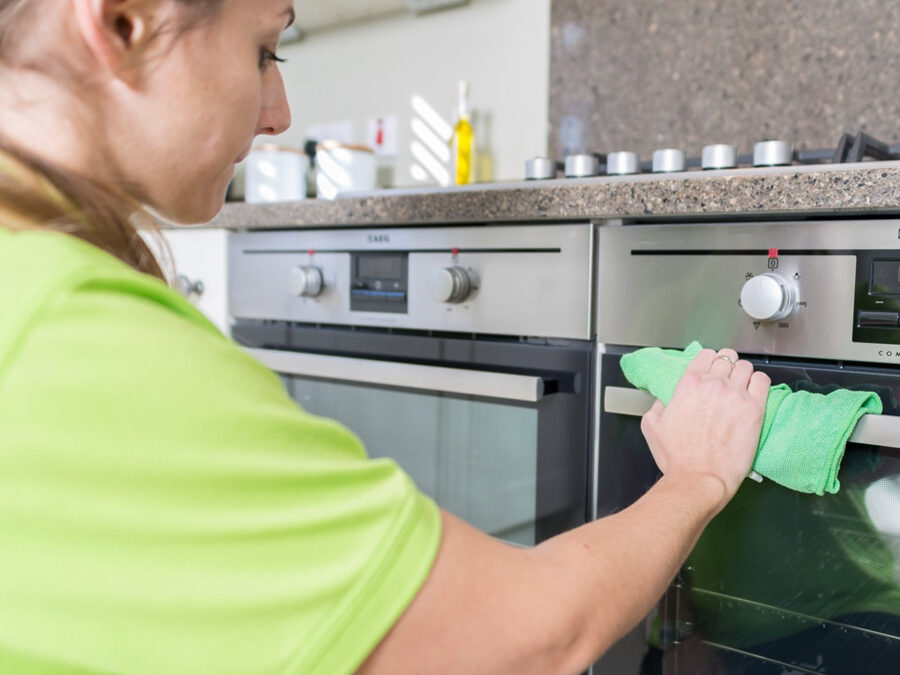
Allergens in the home—such as dust, mould, and pet dander—can trigger respiratory issues, aggravate existing conditions like asthma, and create discomfort for anyone seeking a clean, healthy living environment. Fortunately, by identifying problem areas and adopting targeted strategies, you can significantly reduce common indoor allergens and breathe easier. Below is an in-depth guide to help you allergen-proof your living space.
1. Understanding Indoor Allergens
Before you can eliminate allergens effectively, it’s crucial to know what you’re dealing with:
Dust and Dust Mites: Dust can contain a mix of tiny particles like skin cells, fabric fibers, and pollen. Dust mites thrive on these particles, especially in warm, humid conditions.
Mould and Mildew: Mould spores flourish in damp or poorly ventilated areas such as bathrooms, basements, and around leaky windows.
Pet Dander: While pet hair often gets the blame, the real culprits are proteins found in an animal’s dead skin cells (dander), saliva, and urine.
By focusing on reducing these allergens at the source, you can create a healthier indoor environment.
2. Targeting Dust & Dust Mites
High-Touch Areas:
Dust accumulates on frequently touched objects and surfaces, like doorknobs, light switches, and remote controls. Regular wiping or disinfecting helps keep these items free of allergen buildup.
Textiles & Bedding:
Wash Linens Weekly: Use hot water (at least 60°C) to kill dust mites and remove residual debris.
Allergen-Proof Covers: Invest in mite-proof mattress and pillow protectors to prevent dust mites from thriving in your bedding.
Limit Throw Pillows & Rugs: These items can trap dust and become hotspots for mites. Regularly vacuum or launder them if you prefer to keep them in your décor.
Vacuuming & Dusting Tips:
Use a HEPA Filter: High-Efficiency Particulate Air (HEPA) filters trap small particles, preventing them from re-entering the air.
Microfiber Cloths: They’re more effective at picking up dust than standard rags. Dust surfaces in a top-to-bottom approach so particles fall to the floor for easier cleanup.
3. Controlling Mould & Mildew
Identify Moist Areas:
Mould thrives in damp conditions. Check bathrooms, kitchens, basements, and around windows or doors that may leak.
Ventilation & Dehumidifiers:
Open Windows: Allow fresh air to circulate, reducing humidity levels.
Exhaust Fans: Run these in bathrooms and kitchens to expel moist air.
Dehumidifiers: Keep humidity between 30-50%. Anything higher encourages mould growth.
Cleaning & Prevention:
Bleach Solutions or Specialised Cleaners: Use these on non-porous surfaces where mould has started to appear.
Repair Leaks Immediately: Whether it’s a leaky faucet or a crack in the foundation, fixing water issues promptly prevents mould from spreading.
Regular Maintenance: Wipe down shower tiles, sink basins, and windowsills to stop moisture buildup.
4. Reducing Pet Dander
Regular Grooming:
Frequent Brushing: Do this outdoors if possible, so loose fur and dander don’t collect inside.
Bathing Routines: Consult your vet on safe bathing intervals. Over-bathing can irritate pet skin, causing more dander.
Cleaning Strategies:
Dedicated Pet Zones: Limit pets’ access to bedrooms or areas where dander can accumulate.
Washable Pet Bedding: Clean pet beds and blankets weekly to reduce shed fur and dander.
Air Filtration: A good-quality air purifier with a HEPA filter can capture airborne dander, reducing allergens in the home.
5. Smart Storage & Decluttering
A cluttered space collects more dust, and hidden mould can develop behind piled-up items.
Closed Cabinets & Shelves: Store items behind doors whenever possible to minimize dust accumulation.
Label & Sort: Keep your living space organized, making it easier to identify problem spots or trapped moisture.
Regular Purges: Donate or discard items you no longer need. Fewer objects mean fewer surfaces for allergens to cling to.
6. Ventilation & Air Quality
HVAC Maintenance:
Change Filters Frequently: Clogged or dirty filters circulate allergens around your home. Follow the manufacturer’s guidelines for replacement.
Professional Checkups: Schedule annual HVAC inspections to ensure your system is operating efficiently and not harboring mould.
Natural Airflow:
Open Windows Strategically: Let in fresh air when pollen counts are lower (check local forecasts). This balances indoor humidity and reduces stagnant air.
Cross-Ventilation: Open windows or doors on opposite sides of a room to create a gentle breeze that disperses stale air and allergens.
7. Routine & Consistency
Create a Weekly Checklist:
Divide tasks like vacuuming, dusting, and laundry across different days so you’re not overwhelmed. Consistent cleaning prevents allergen buildup and makes each job more manageable.
Monthly & Seasonal Tasks:
Monthly: Deeper vacuuming under furniture, wiping down walls, and cleaning window tracks.
Seasonal: Inspect and clean gutters, check for leaks, and schedule professional cleaning (e.g., carpet shampooing, air duct cleaning) as needed.
Final Thoughts
Allergen-proofing your home is an ongoing process that combines mindful cleaning, smart storage, and regular maintenance. By strategically reducing dust, mould, and pet dander at the source, you create a living environment that’s not only more comfortable for you and your family but also less likely to aggravate allergies and respiratory conditions. Invest in the right tools—like HEPA-equipped vacuums and dehumidifiers—and follow a consistent routine. Before you know it, you’ll have a fresher, healthier home where everyone can breathe a little easier.